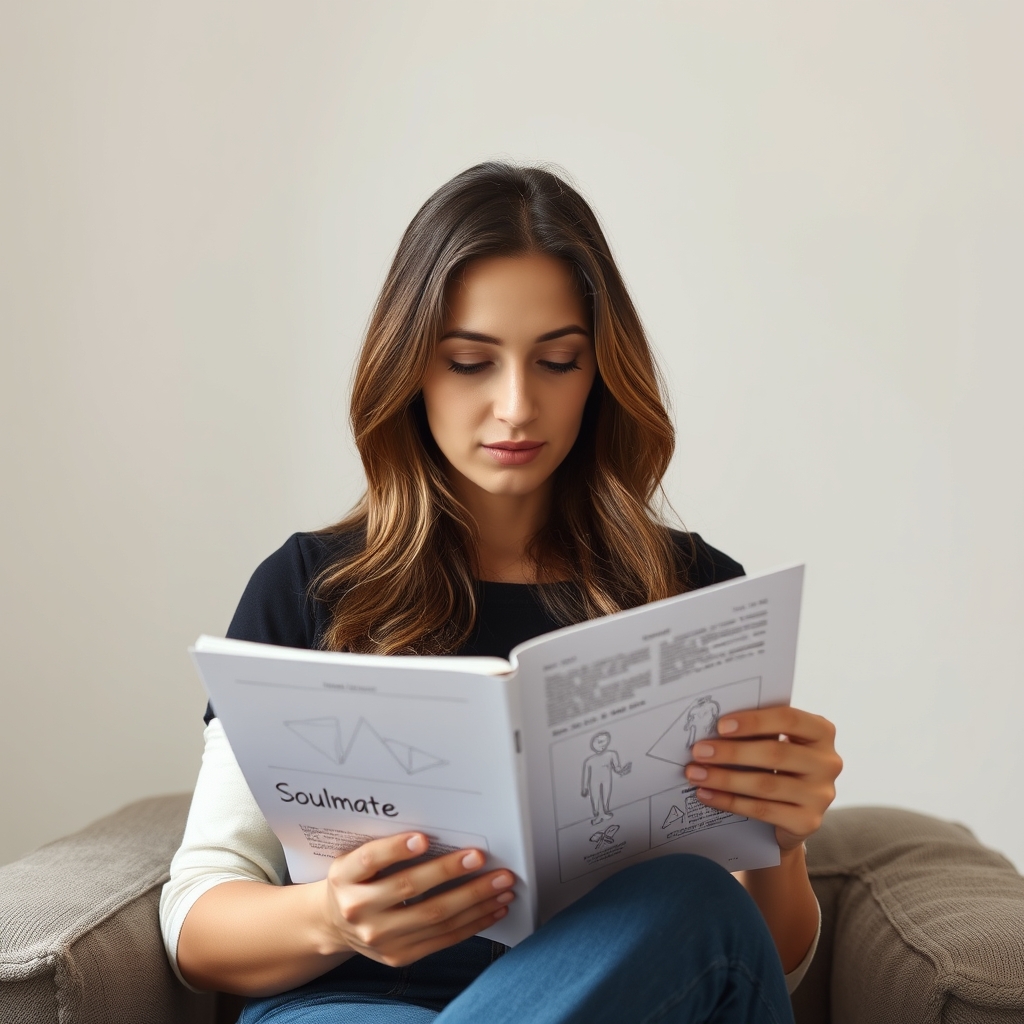
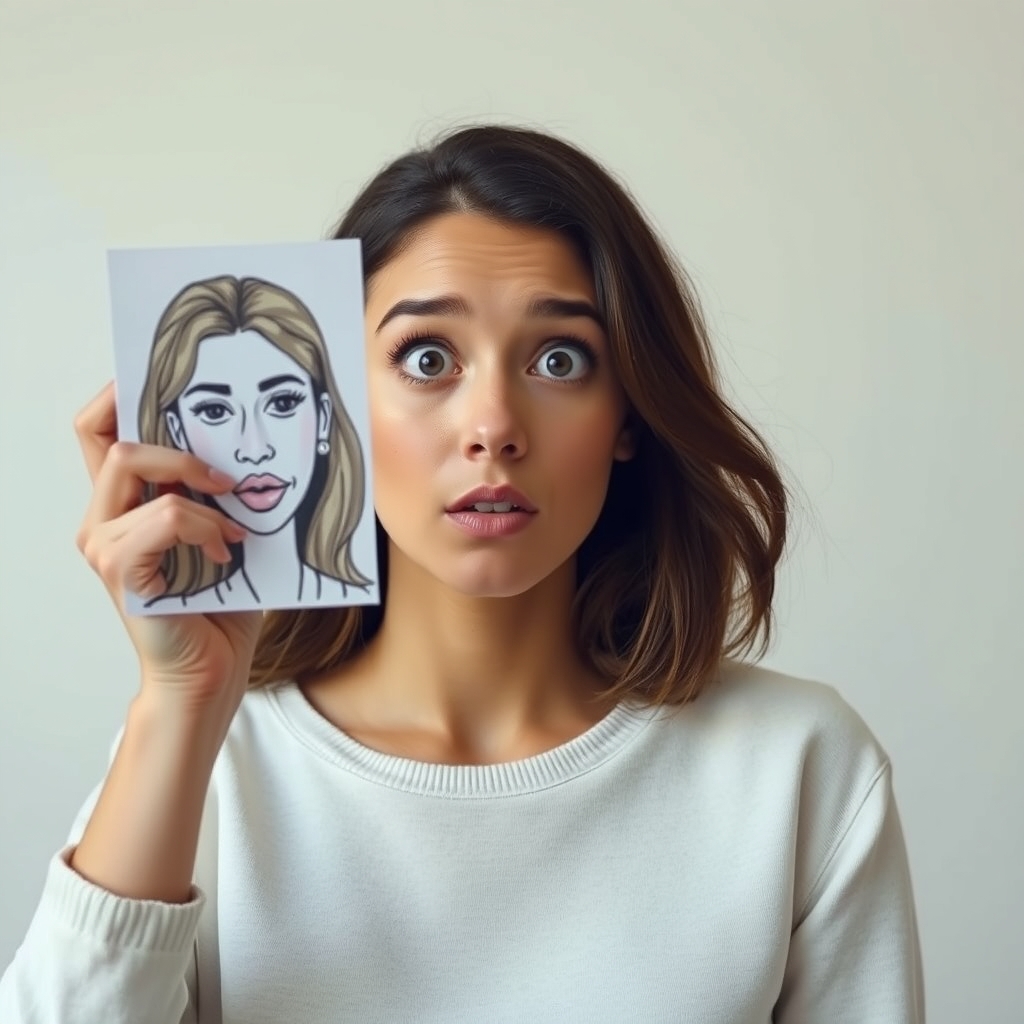
A soulmate sketch is a picture, and the meaning comes from how you read it. No one has shown that a drawing can identify a specific person or predict a relationship. Still, many people find sketches useful for reflection. This guide shows you how to read the details without overreading them.
What a sketch can and can't tell you
Readers of these sketches usually treat them as impressions, not blueprints. If you want the background first, see How Soulmate Sketches Work. For this guide, keep three things in mind:
- Interpretations are traditions and opinions. They are not measured facts. Nobody has reliable evidence that a nose shape or hair colour in a sketch predicts character or compatibility.
- Your reaction is real data. What you feel looking at the image says something about what you value, even if the image itself predicts nothing.
- No outcome is promised. A sketch can't tell you when, where, or whether you'll meet someone.
Reading the main features
Treat the table below as a starting vocabulary. The "common reading" column reflects popular ideas and varies between artists and readers. The "grounded question" column turns each detail into something you can actually reflect on.
| Detail | Common reading | Grounded question to ask yourself |
|---|---|---|
| Eyes | Warmth, intensity, openness | Do I feel at ease or on edge looking at them? |
| Hair | Energy, style, lifestyle | Does the style match the pace of life I want? |
| Expression | Temperament, emotional style | Is this the kind of calm, playfulness, or seriousness I respond to? |
| Face shape and build | Often treated as personality hints | Am I drawn to this look, or reacting to a past relationship? |
| Clothing or accessories | Profession, interests, values | Which of these interests matter to me in a partner? |
Be careful with physical traits
Looks are a weak guide to compatibility. If you notice yourself writing off real people because they don't match a drawing, that's a sign to step back. Shared values, kindness, and how someone treats you matter far more.
Symbols and background elements
Some sketches include extras such as a setting, an object, a colour, or a symbol like water, a book, or an instrument. Artists may offer these as a nudge about shared interests or a possible setting. Ask the artist or service what any symbol is meant to represent. If the answer is vague, treat it as loose inspiration only.
A step-by-step way to interpret yours
- Look first, then read. Spend a minute with the image before reading any explanation. Note your first reaction.
- Write down three impressions. Use feelings or qualities, such as "gentle" or "driven," rather than physical specifics.
- Separate what's given from what you add. If the artist explained a detail, mark it as their view. If you inferred it, mark it as yours.
- Check against your values. Which qualities do you actually want in a partner? Which ones are just aesthetic?
- Hold it lightly. Revisit in a few weeks. Notice what still resonates and what fades.
Your reading is also shaped by what you gave the artist beforehand. Our guide to how to prepare for a soulmate sketch covers what to provide and what to ask.
 Recommended for youHow to Prepare for a Soulmate Sketch: What to Provide, Questions to Ask and Mistakes to Avoid
If the sketch looks like someone you know
This happens often, and it can feel significant. It can also be your mind pattern-matching to familiar faces. We've written a short guide on what to do if your sketch looks like someone you already know. The short version: avoid acting on it impulsively, especially in ways that could affect the other person.
If you're already in a relationship
A sketch can stir up questions. Don't use one to judge your current partner, and don't make big decisions from it. See whether you can get a soulmate sketch if you're already in a relationship for more. If a sketch is stirring up real distress or doubts about your relationship, a licensed counsellor or therapist is a better place to work through them than a drawing.
Human-drawn or AI: how it affects interpretation
Who or what makes the sketch changes what you can ask about it. A human artist can often explain their choices, while an automated tool may produce details with no stated reasoning. Neither can verify a real person. Our comparison, AI Soulmate Generators vs Human-Drawn Soulmate Sketches: Which Is Worth Paying For?, lays out the tradeoffs. Check the official site for current pricing, turnaround, and what is included before you buy, since these can change.
Honest tradeoffs
- Benefit: a sketch can help you name what you want and feel more hopeful.
- Risk: it can create fixation on a look or a timeline, which may cause disappointment.
- Cost: paid readings are an expense for something we can't promise will be accurate. Spend only what you're comfortable treating as entertainment or reflection.
If you're thinking of buying one for someone else, our gift guide explains who it suits and what to consider.
Bottom line
Read your sketch as a prompt for reflection, not a prediction. Notice what moves you, ask what each detail is meant to represent, and keep your real-life choices grounded in how people actually treat you.
Keep reading
 AI Soulmate Generators vs Human-Drawn Soulmate Sketches: Which Is Worth Paying For?Short answer: neither option is proven to show you a real future partner. No scientific evidence su…
 Soulmate Sketch as a Gift: Who It Suits, How Ordering for Someone Else Works and Options to ConsiderA soulmate sketch can make a thoughtful gift for the right person, and an awkward one for the wrong…
 What should you do if your soulmate sketch looks like someone you already know?A resemblance to someone you know is worth noting, but it isn't proof of anything. Sketches are int…