
Online tarot is one of the easier ways to try a reading: you can do it from home, with no appointment across town. It is also a crowded market where formats, pricing and quality vary a lot. This guide covers the main types, how pricing usually works and how to choose without overspending.
One honest note first: there is no scientific evidence that tarot cards predict the future. Many people still find a reading useful as a structured prompt for reflection, and a good reader can help you put a tangled situation into words. Treat it as perspective, not prophecy.
The main types of online tarot reading
Live video or phone readings
You talk with a reader in real time, ask follow-up questions and can say "that doesn't fit" and steer the conversation. This is the closest thing to an in-person reading. It is usually the costliest format, and it is the easiest one in which to lose track of time and spend more than you planned.
Live chat readings
The same real-time exchange, but typed. It suits people who feel awkward on camera, and you keep a written record. It can feel slower, and quality depends on how well the reader writes.
Recorded or emailed readings
The reader pulls cards on their own time and sends you a video, audio file or written spread. There is no pressure and you can reread it, but you can't ask questions in the moment.
Automated or app-based readings
Software draws cards and displays pre-written meanings. These can be fun and low-cost for learning card symbolism, but nobody is responding to your situation. Call them entertainment or a study aid, not a personal reading.
Format comparison at a glance
| Format | How it is commonly priced | Best for | Main tradeoff |
|---|---|---|---|
| Live video/phone | Often per minute or per set session | Nuanced questions, back-and-forth | Costs can climb if the session runs long |
| Live chat | Often per minute or per session | Privacy, a written record | Slower pace, less tone and nuance |
| Recorded/emailed | Often a flat fee per reading | Predictable budget, time to reflect | No follow-up questions |
| Automated/app | Varies: free, one-off or subscription | Curiosity, learning the cards | Generic, not personalised |
These pricing patterns are general, not quotes. Rates differ by platform and reader, and they change, so always confirm current prices and terms on the official site before you pay.
Understanding pricing before you commit
Look for these details on any service:
- Billing unit: per minute, per question, per session or per reading.
- Minimums and top-ups: some services require a minimum balance or prepayment.
- Introductory offers: these can be genuine, but read the conditions, including what happens after the offer ends. Our guide to free psychic readings and their catches explains what to watch for.
- Refund and cancellation terms: check them before booking, not after.
- Auto-renewal: make sure you know whether anything renews on its own.
Set a spending limit before you start and stick to it. If a reader pushes you to keep paying to "unlock" more, or hints that something bad will happen unless you buy another reading, end the session. That is a red flag, covered in our guide to judging a reading critically.
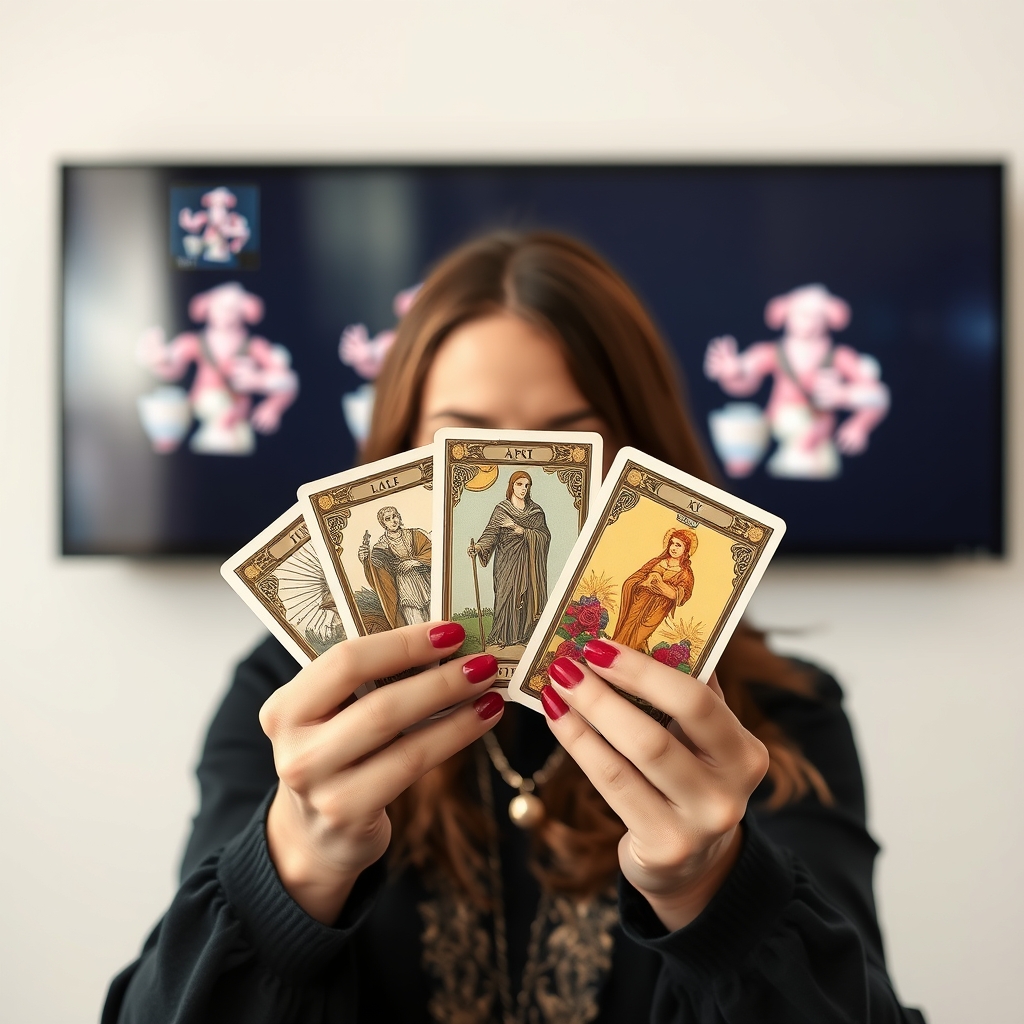 Recommended for youLove Psychic Readings: What They Cover, Who They Suit and Where to Book One
How to choose a tarot reader or service
- Define your question. "What should I think about regarding this job offer?" works better than "Will I be rich?" Our guide to preparing for a reading has useful prompts.
- Match the reader type to the question. Tarot is one approach among several. Clairvoyants, intuitives, mediums and tarot readers work differently.
- Read the reader's profile closely. Look for a clear description of style, specialties and approach. Treat claims of guaranteed accuracy as a warning sign. Reviews can help, but they can also be curated, so weigh them lightly.
- Check the pricing and time terms. Know how long a reading typically lasts and what happens if you run over.
- Start small. A short or lower-cost first session tells you whether the reader's style suits you.
For the full process, including budget and format, see how to book an online psychic reading. When you're ready to compare specific services side by side, use Soulmate Signal's reviews and comparisons, and verify each service's current details on its official site.
What to expect, and what not to
Most tarot readers will ask a little about your situation, draw a spread and talk through what the cards suggest. You may be asked for a first name or a question, but you rarely need to share more; see whether you need to give personal information. Be cautious about sharing full legal names, financial details or account information.
Some readings will resonate, and that can feel striking. Part of the reason is that broad statements often feel personal, which is why a critical eye helps. If you want the background, how psychic readings work explains the methods and the debate.
Love and soulmate questions
Relationship questions are among the most common. Tarot can help you examine what you want, what patterns you notice and what you might do next. It can't name a specific person or promise a relationship; here is a plain answer on soulmate questions. If love is your main focus, our overview of love psychic readings covers what they do and don't offer.
Health, money and legal decisions
Don't use tarot to decide medical treatment, investments, legal action or anything involving safety. Those decisions need a qualified professional: a doctor, financial adviser or lawyer. If you're in distress or in crisis, contact a mental health professional or local emergency services rather than relying on a reading.
How often is too often?
There is no right number, but frequent readings on the same question can become a way of seeking reassurance rather than clarity. If you keep returning for the same answer, pause and reflect, and see how often to get a reading for guidance.
The bottom line
The best online tarot option is the one that fits your question, your budget and your comfort level, and that is open about what it can't do. Go in curious, set a limit and treat what you hear as food for thought rather than a verdict on your future.
Keep reading
 Free Psychic Readings: What's Actually Free, First-Time Offers and the CatchesShort answer: some free psychic readings really are free, but most "free" offers are a sample meant…
 Clairvoyant, Intuitive, Medium and Tarot Readers: Which Type of Reading Fits Your Question?Short answer: pick the reader type that matches the kind of question you have. Tarot suits reflecti…
 How to Prepare for a Psychic Reading: Questions to Ask and Mistakes to AvoidA good psychic reading starts before the session. Spend 20 minutes getting clear on your question,…